Homes that have undergone foundation repair may need a little extra attention when scheduling duct cleaning. Foundation movement can affect more than floors and walls; it may also influence HVAC ducts that run through crawl spaces, attics, walls, or beneath flooring. Even after the structure has been stabilized, previous shifting may have loosened duct connections, changed alignment, or allowed dust and debris to enter through small openings. Before cleaning begins, homeowners should review any known foundation repair history and mention it to the HVAC professional so potentially affected areas receive closer attention.
Inspect Duct Connections Before Cleaning
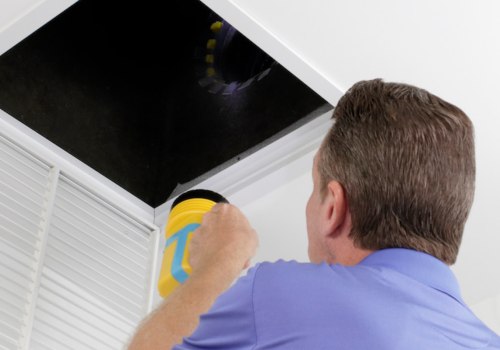
Ductwork is often joined in sections, and those connections can become strained when a building shifts. Loose seams may allow conditioned air to escape while also drawing dust, insulation fibers, or other particles into the system. Before using duct-cleaning equipment, technicians should inspect accessible joints, supports, and connections for visible separation or damage. If homeowners are uncertain whether structural movement is still occurring, professionals such as Bats Foundation Repair can evaluate the foundation while HVAC technicians focus on the condition of the duct system.
Check Crawl Spaces Carefully
Many homes with pier and beam foundations have ductwork running through crawl spaces. These areas can be especially vulnerable to moisture, dust, pests, and movement. Before cleaning the ducts, technicians should check whether sections are sagging, crushed, disconnected, or resting directly on the ground. Damaged ducts may need repair or replacement before cleaning can be effective. Cleaning a section that is already compromised may not resolve air-quality or efficiency concerns if contaminants can continue entering through gaps.
Look for Dust After Structural Work
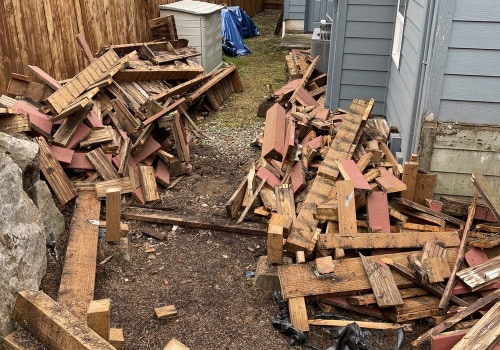
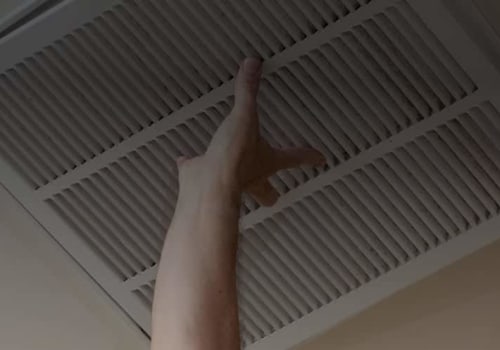
Foundation repair can generate dust and debris, particularly when work involves drilling, excavation, concrete, or access through crawl spaces. Even when contractors protect the work area, some particles may settle near vents or enter accessible portions of the HVAC system. After major structural work, homeowners may want to inspect return vents, registers, and accessible duct openings for unusual buildup. Replacing HVAC filters after construction is also a practical step because filters may collect more dust than usual during repair activity.
Address Moisture Before Cleaning
Moisture is another important consideration. Foundation problems are sometimes associated with drainage issues, plumbing leaks, or damp crawl spaces. If moisture is present near ductwork, cleaning alone may not solve the problem. Wet insulation, condensation, or standing water should be investigated and corrected first. Damp conditions can damage duct materials and encourage unwanted microbial growth. Identifying and repairing the moisture source helps prevent newly cleaned ducts from becoming contaminated again.
Protect Ducts During Future Repairs
If additional foundation adjustments are planned, ductwork should be protected during the process. Lifting or leveling portions of a home can place stress on ducts, especially rigid sections or connections attached to moving structural components. HVAC professionals may recommend disconnecting, supporting, or monitoring certain areas while foundation work is underway. Once structural repairs are complete, ducts should be inspected again for gaps, bends, or damaged connections before normal operation resumes.
Replace Filters and Clean Registers
Duct cleaning should be combined with basic HVAC maintenance. Homeowners can replace air filters, vacuum registers, clean return grilles, and remove accumulated dust around vents. Using the correct filter type for the HVAC system helps capture airborne particles without restricting airflow excessively. Filters should also be checked regularly rather than only immediately after duct cleaning.
Coordinate Structural and HVAC Maintenance
Homes with previous foundation repair can benefit from coordinated maintenance. Inspecting duct alignment, repairing loose connections, controlling moisture, and monitoring crawl spaces can improve the effectiveness of professional duct cleaning. By considering the home’s structural history along with routine HVAC care, homeowners can reduce recurring contamination, protect ductwork from unnecessary stress, and support cleaner, more efficient airflow throughout the house.