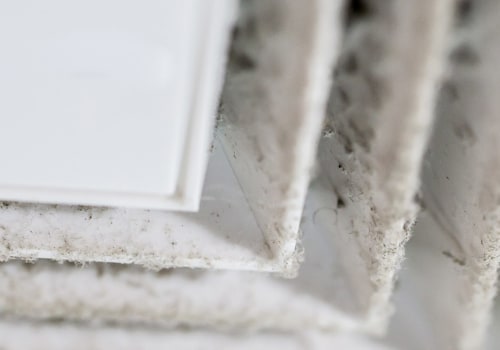
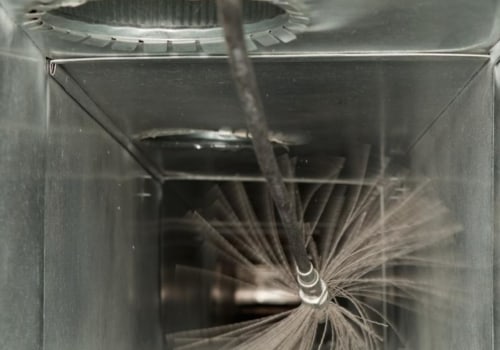
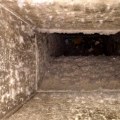
Duct cleaning is commonly associated with improving indoor air quality, reducing dust, and helping heating and cooling systems operate more efficiently. While these benefits are well recognized, duct cleaning also complements broader home maintenance efforts in ways that are often overlooked. Modern homes are carefully designed to balance energy efficiency, ventilation, moisture control, and structural durability, and each of these systems influences the others. Over time, dust, debris, pet dander, and other contaminants can accumulate inside ductwork, potentially affecting airflow and placing additional strain on HVAC equipment. Although dirty ducts do not directly damage structural components, maintaining a clean and efficient air distribution system supports the overall health of the home by contributing to balanced indoor conditions. When combined with routine inspections and preventive maintenance, duct cleaning becomes part of a comprehensive strategy that helps preserve both comfort and the long-term performance of residential buildings.
Moisture Control and Building Performance
One of the most important connections between duct cleaning and structural maintenance involves moisture management. Proper airflow allows heating and cooling systems to regulate indoor humidity more effectively, helping reduce conditions that encourage condensation, mold growth, and excess moisture inside walls, ceilings, attics, and crawl spaces. Moisture is one of the leading contributors to structural deterioration because it can weaken wood framing, reduce the effectiveness of insulation, corrode metal fasteners, and damage interior finishes over time. While duct cleaning alone does not solve moisture problems, it supports efficient HVAC operation that contributes to healthier indoor environmental conditions. Structural engineers recognize that maintaining stable humidity levels plays an important role in protecting building materials throughout the lifespan of a home. Companies such as Open Concept Engineering understand that preserving structural integrity involves considering how mechanical systems, ventilation, and building performance work together rather than treating each component independently.
Preventive Maintenance Benefits the Entire Home
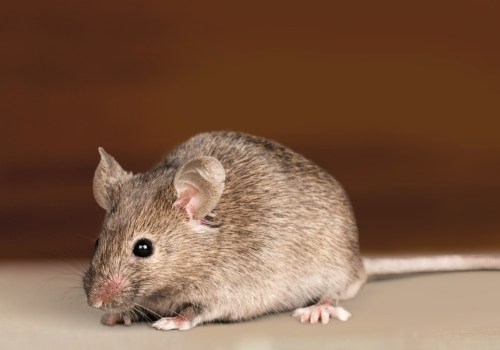
Routine duct cleaning often coincides with HVAC inspections, providing technicians with opportunities to identify concerns that may otherwise remain hidden. During maintenance visits, professionals may notice signs of water intrusion, disconnected ductwork, damaged insulation, pest activity, or ventilation issues that could eventually affect nearby structural materials if left unresolved. Early identification allows homeowners to correct these problems before they contribute to more significant repairs involving framing, ceilings, or wall systems. Maintaining efficient airflow also reduces unnecessary strain on HVAC equipment, helping extend the lifespan of mechanical systems while supporting consistent indoor comfort. In newer homes that emphasize airtight construction and energy efficiency, proper ventilation becomes especially important because limited natural air exchange increases the importance of well-maintained mechanical systems. Duct cleaning therefore serves as one element of a broader preventive maintenance plan that protects both equipment and the building itself.
Integrating Mechanical Care With Structural Protection
Successful home maintenance depends on recognizing how different building systems interact over time. Structural integrity is influenced not only by the strength of the framing and foundation but also by the performance of ventilation, drainage, insulation, roofing, and mechanical systems that help protect those structural components from environmental stress. Clean ductwork supports efficient HVAC performance, balanced indoor humidity, and improved air circulation, all of which contribute to conditions that help preserve building materials. When homeowners combine routine duct cleaning with regular roof inspections, foundation evaluations, moisture management, and professional maintenance of plumbing and electrical systems, they create a more resilient home that performs efficiently for many years. Understanding how duct cleaning complements structural maintenance encourages a proactive approach to property care, where small preventive measures help reduce the likelihood of larger structural problems in the future. This integrated strategy supports healthier indoor environments, improved energy efficiency, lower long-term maintenance costs, and greater confidence that the home's structural systems will remain durable, reliable, and well protected throughout their service life.