Many homeowners think of roof drainage problems as exterior issues that mainly affect gutters, siding, landscaping, or foundations. However, poor roof drainage can also contribute to indoor moisture problems that eventually affect HVAC systems and ductwork hidden throughout the home. When water is not properly directed away from the roof and attic areas, excess moisture can slowly build up inside structural cavities where ventilation systems operate. Over time, damp conditions may create an environment where mold growth develops inside or around ductwork, reducing indoor air quality and increasing the likelihood of recurring moisture-related issues throughout the property. Because duct systems are often hidden behind walls, ceilings, or attic insulation, these problems can quietly spread for long periods before homeowners recognize the connection between roofing drainage and indoor air concerns.
How Poor Roof Drainage Leads to Moisture Accumulation
Roof drainage systems are designed to move rainwater safely away from the structure using gutters, downspouts, roof slopes, and drainage channels. When these systems become clogged, damaged, or improperly installed, water may begin collecting near roofing materials, attic spaces, or wall cavities. Overflowing gutters and standing water can allow moisture to seep beneath shingles, around flashing, or into ventilation openings located near attic ductwork. In some homes, slow roof leaks caused by drainage issues create damp attic environments that raise humidity levels around HVAC components and air distribution systems. Even small amounts of long-term moisture exposure can gradually create favorable conditions for mold development inside duct insulation or nearby building materials.
Why Ductwork Is Vulnerable to Mold Growth
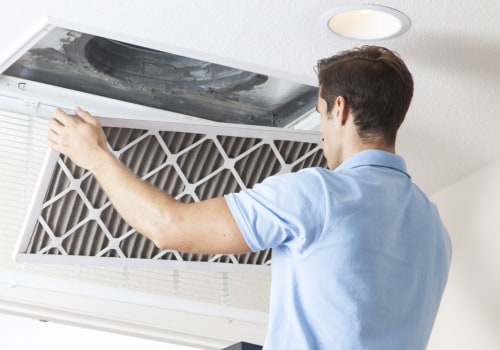
Duct systems naturally move air throughout the home, which means they can also circulate moisture and airborne particles if conditions become unhealthy. When warm, humid air combines with damp surfaces inside attic spaces or ventilation channels, condensation may begin forming around ducts and vents. If roof drainage problems continue introducing excess moisture into these areas, mold spores can settle and multiply within duct insulation, vent covers, or surrounding materials. Once mold develops near the HVAC system, spores may spread more easily through the home whenever the heating or cooling system operates. Roofing professionals understand that moisture management above the ceiling plays a major role in protecting indoor air systems from long-term contamination risks.
Roofing and Ventilation Systems Work Together
Proper roof drainage and attic ventilation are closely connected when it comes to controlling indoor moisture levels. Poor attic airflow can trap humidity beneath the roof while drainage problems allow additional moisture to enter the structure. Together, these conditions may increase condensation around ductwork and create ongoing mold risks that are difficult to eliminate through cleaning alone. Companies such as A1 Roofing Services recognize that maintaining healthy roofing systems involves more than protecting shingles or gutters. Proper drainage design, ventilation improvements, and moisture prevention strategies all help reduce the likelihood of hidden water intrusion affecting HVAC systems and indoor air quality over time.
Warning Signs Often Appear Gradually
One of the challenges with roof drainage-related mold problems is that the warning signs often develop slowly. Homeowners may initially notice musty odors, increased dust accumulation, allergy symptoms, or inconsistent airflow throughout the house without realizing moisture is building up near the duct system. In some cases, dark staining may appear around ceiling vents or attic insulation due to prolonged condensation exposure. During heavy rain seasons or humid weather, these symptoms may become more noticeable as roofing drainage problems worsen. Unfortunately, many homeowners focus only on HVAC maintenance while overlooking the roof-related moisture source contributing to the issue.
Preventive Maintenance Reduces Long-Term Risks
Regular roof inspections and drainage maintenance can help prevent moisture conditions that contribute to mold growth inside ductwork. Cleaning gutters, repairing flashing, improving attic ventilation, and addressing roof leaks early all help reduce excess humidity around HVAC systems. Preventive care also protects insulation, ceiling structures, and ventilation components from prolonged moisture exposure that may eventually require expensive repairs or mold remediation. By understanding the relationship between roof drainage and indoor air systems, homeowners can better protect both the structural integrity of the property and the long-term health of the indoor environment.