Return air ducts rarely receive the same level of attention as furnaces, air conditioners, or supply vents, yet they perform one of the most important jobs in any HVAC system. Their purpose is to pull indoor air back to the heating and cooling equipment so it can be filtered, conditioned, and redistributed throughout the building. Without a properly functioning return air system, airflow becomes unbalanced, forcing HVAC equipment to work harder while reducing overall comfort and efficiency. Unfortunately, because return ducts are often hidden behind walls, ceilings, or utility spaces, they are easy to overlook during routine maintenance. Homeowners may remember to replace filters or schedule seasonal tune-ups, but neglecting the return side of the system can gradually lead to reduced airflow, uneven temperatures, increased dust circulation, and unnecessary strain on mechanical components. Giving return air ducts more attention helps maintain consistent indoor conditions while supporting the long-term performance of the entire HVAC system.
Hidden Problems Can Affect Everyday Comfort
One reason return air ducts deserve regular inspection is that many problems develop gradually and remain unnoticed until comfort begins to decline. Dust accumulation, loose connections, crushed duct sections, and small air leaks can all interfere with proper airflow. When return ducts cannot efficiently move air back to the HVAC equipment, the system may struggle to maintain desired temperatures, causing some rooms to feel warmer or cooler than others. Restricted airflow may also increase operating times, resulting in higher energy consumption and greater wear on motors and fans. In some situations, damaged return ducts can draw air from unconditioned spaces such as attics, crawl spaces, or garages instead of the occupied living area. This unwanted air may introduce additional dust, humidity, insulation particles, or outdoor contaminants into the HVAC system. Regular inspections allow technicians to identify these hidden issues early before they grow into larger and more expensive repairs that affect both comfort and efficiency.
Indoor Air Quality Starts With Balanced Airflow
Return air ducts also play a significant role in maintaining healthy indoor air quality. Every time air cycles through the HVAC system, it passes through filtration before being supplied back into occupied spaces. If return airflow is restricted, filtration becomes less effective because the system cannot circulate indoor air as intended. Balanced airflow helps distribute conditioned air evenly while continuously reducing airborne particles that naturally accumulate during everyday activities. Facilities with specialized environmental requirements sometimes integrate additional technologies, including dust collection systems, to manage airborne debris generated during manufacturing or industrial processes. Although residential HVAC systems serve different purposes, the principle remains similar: effective air movement is essential for cleaner indoor environments. Clean return ducts, properly sealed connections, and unrestricted airflow all contribute to improved filtration performance, reduced airborne contaminants, and more consistent humidity levels throughout the building.
Routine Maintenance Protects Long-Term System Performance
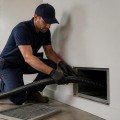
Routine maintenance should therefore include more than checking refrigerant levels, replacing filters, or cleaning outdoor equipment. Inspecting return air ducts provides valuable insight into the overall health of the HVAC system. Technicians can evaluate airflow, inspect for leaks, verify proper duct sizing, remove excessive debris when necessary, and ensure that return grilles remain unobstructed by furniture or household items. Even simple adjustments, such as sealing minor duct leaks or clearing blocked return vents, can improve system efficiency and reduce unnecessary operating costs. Over time, these preventive measures help extend equipment lifespan by allowing heating and cooling components to operate under less stress. They also create a more comfortable indoor environment by maintaining balanced temperatures and consistent airflow in every room. While return air ducts may not be the most visible part of an HVAC system, their condition directly influences comfort, efficiency, indoor air quality, and overall system reliability, making them well worth the attention they deserve during every routine maintenance visit.